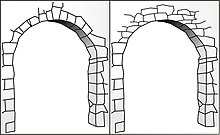
 A dome (from Latin domus) is an architectural element similar to the hollow upper half of a sphere. There is significant overlap with the term cupola, which may also refer to a dome or a structure on top of a dome. The precise definition of a dome has been a matter of controversy and there are a wide variety of forms and specialized terms to describe them. A dome can rest directly upon a ...
 A dome is a hemispherical structure usually forming a ceiling or roof. Dome structures made of various materials have been used throughout history by several different civilizations.